The Christian Scriptures begin with the words “In the beginning God created.” Before the first cup of coffee is finished in my reading of Genesis, the Scriptures reveal five gifts that for centuries have been the genesis to the Christian understanding of big questions like personhood, family , sexuality, community and the beautiful gift of covenant marriage.
Gift 1—The Choice of Creation (Genesis 1:1–“In the beginning God created”)—The opening line of Christianity proclaims that life is not an accident; it is a gift. God designed it and infused it with purpose. Life is not merely a survival of the fittest quest toward nothingness: life has a divine purpose through which I find faith, hope, and love. I didn’t choose life; God chose to give me life.
Gift 2—The Complement of Gender (Genesis 1:27–“He created them male and female”)—Repeatedly, the Scriptures proclaim that humankind is created in the “image” of the creator: male and female. Human Beings are unique in that we seek the spiritual and search for deeper meanings. We communicate and create. Beyond the coldness of cause and effect, humanity seeks the beauty of art and the complexity of love. The simultaneous equivalency, distinctive, and complement of gender expand the reflection revealing more clearly what it means to be made in the image of God.
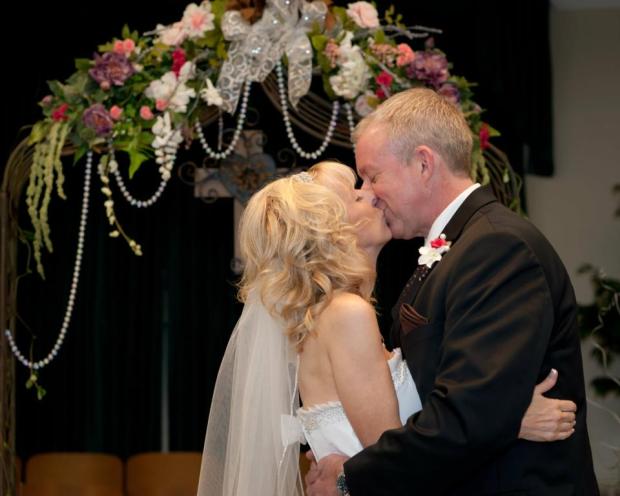
Gift 3—The Bond of Marriage (Genesis 2:24—“This is why a man leaves his father and mother and bonds with his wife, and they become one flesh.”)—Marriage is the foundational human relationship through which family and community are built. Marriage compels a man and a woman to leave the homes of their youth and bond with one another in a life-long covenant. Marriage is a life-long covenant between husband, wife, and God, that unites them as one family.
Gift 4—Covenant Sexuality (Genesis 2:25—“Both the man and his wife were naked, yet felt no shame”)—Beyond drive, attraction, expression, or feeling, sexuality is an intimate display of the life-long, loving bond of marriage: a private renewing of public vows. It is mortal love’s most powerful act: bonding souls, expressing love, extending pleasure, and forming family. It exposes a couple’s mutual vulnerability and created compatibility revealing a passion that is not learned but instilled with divine intent.
Gift 5—Children (Genesis 1:28–“Be fruitful, multiply.”)—A beautiful baby lying gently in a mother’s arms is inherent to the Bible’s creation and redemption stories. New life is the product of divine creation; it is the destination of redemption and the action of His love. It is through new life that our past finds forgiveness, our present finds meaning, and our future finds hope. It is through new life that the ancient remains modern. Through the birth of a child, the stories of creation and love are readily seen. Through the welcoming of a child into the bond of family, the story of redemption is quietly proclaimed.
As a Christian, my belief in God and Jesus Christ as Savior is not a hobby or vehicle for political power. Nor, is it new thinking: the by-product of greater connectivity, mobility, and awareness. My faith is foundational to who I am as a person and grounded in centuries of heritage. I understand that not everyone is a Christian. But, religious or not, we all have a worldview; it’s how we process life’s ultimate questions: Where do I come from? Why am I here? What happens when I die? What should I value? How should I treat others?
For 2000 years, in the lives of millions, these page-one gifts have formed the fabric of how we understand marriage, family and community. They have been viewed as givens: inherent to the human experience and not to be unraveled. Today, there are many, even within Christianity, who feel that these gifts must be scorned or, at best, repackaged, for society to progress. But before pronouncing these gifts as ancient and irrelevant inviting them to kiss goodbye, perhaps we would first do well to remember what Jesus said, “what God has joined together, man must not separate (Matthew 19:6).”
 lashbanks.com